
How can we improve usability and decrease anxiety for our users? One year after Rakuten NFT launched, research indicated it was time for some updates to the platform.
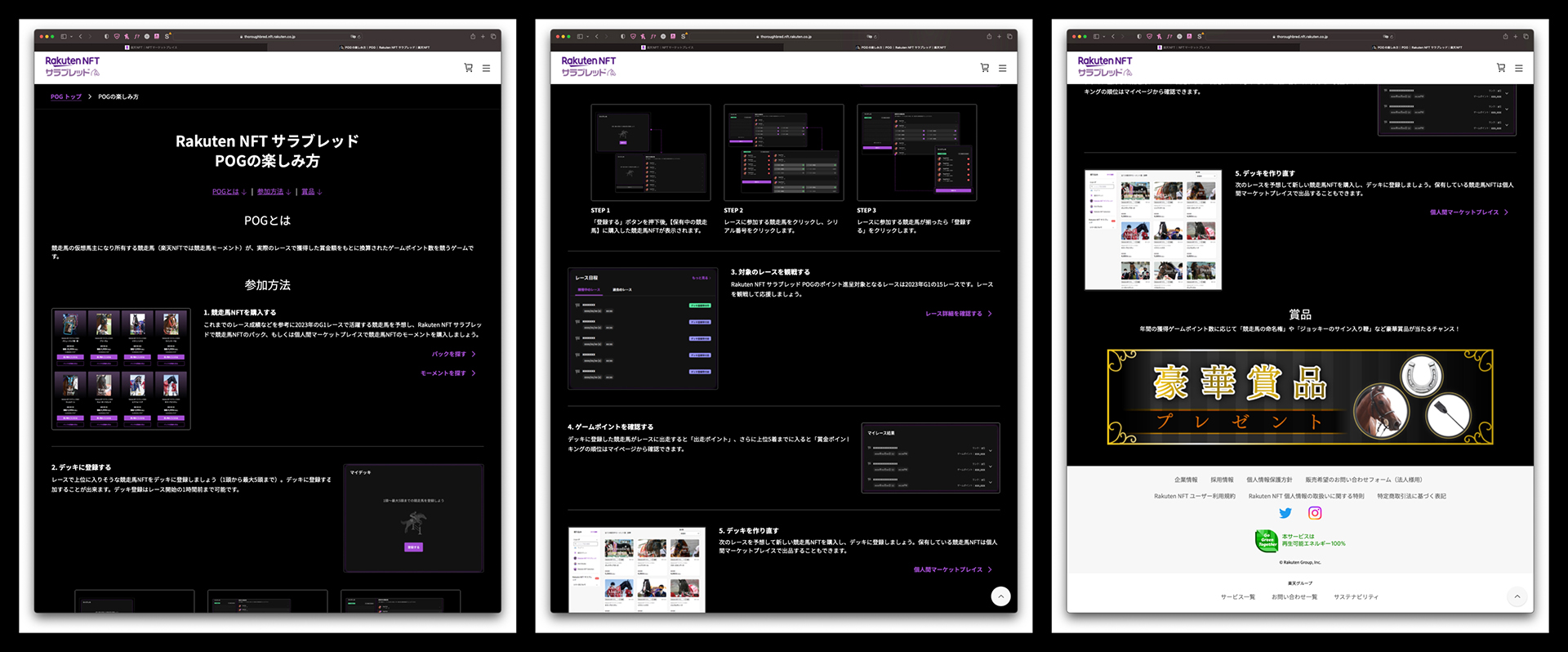
Beginner's guide for Rakuten NFT's POG explaining how users earn points with their NFTs from real-world horse racing
As a member of Rakuten's horizontal design team, I focused on Rakuten's NFT project. Since it was a mature project, we gathered data from user testing/interviews and raw data such as sales, listings, and bounce rates.
Rakuten NFT works differently from markets like OpenSea. Its NFTs come from idols, celebrities, sports franchises, and well-known companies such as JR, rather than from users, and people can buy them with Rakuten Points. Most of its users are new to NFTs, so the site needs a beginner's guide.
Users told us the original guide didn’t answer all their questions, and they had to scroll through the whole guide to find answers.
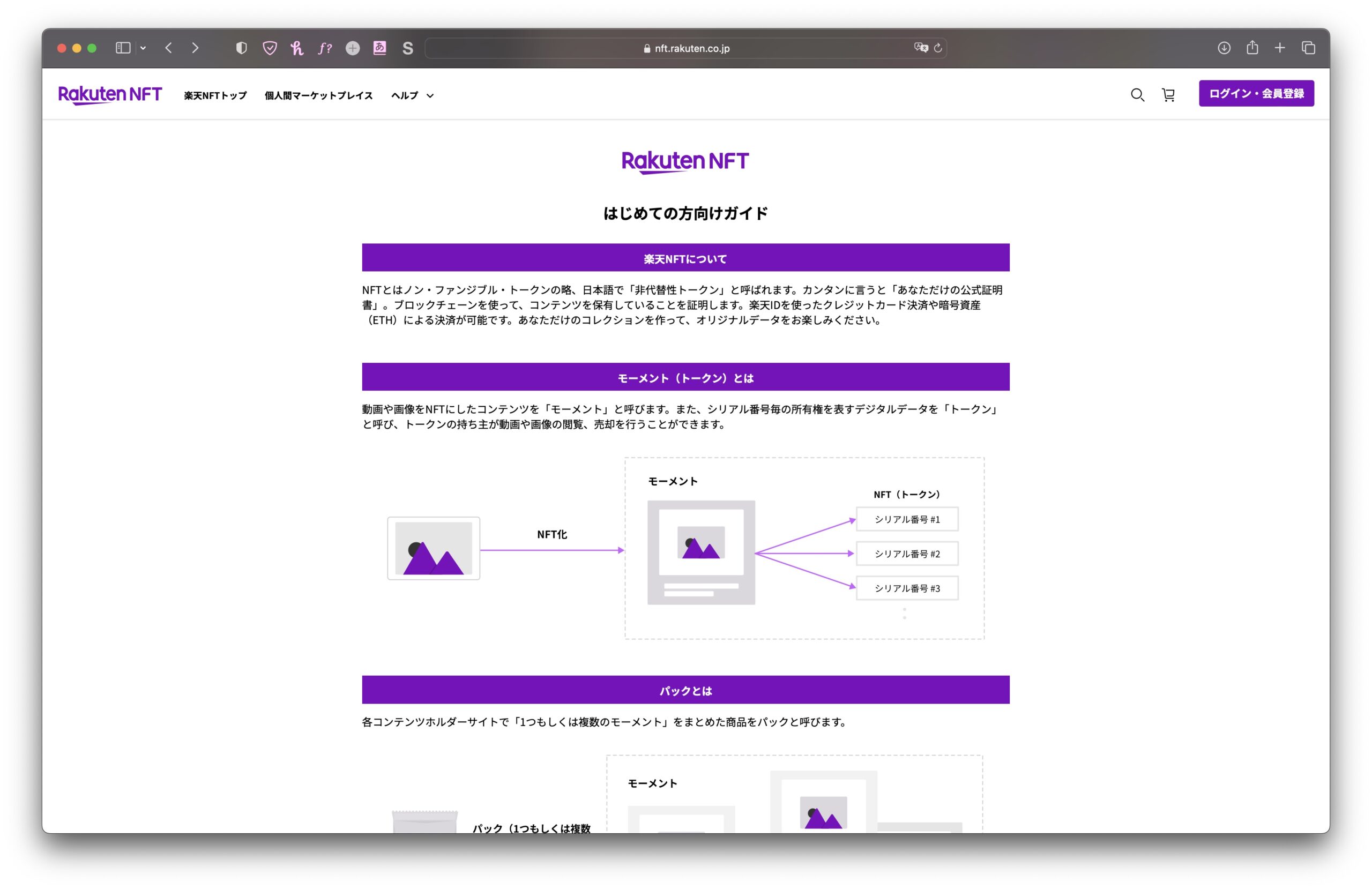
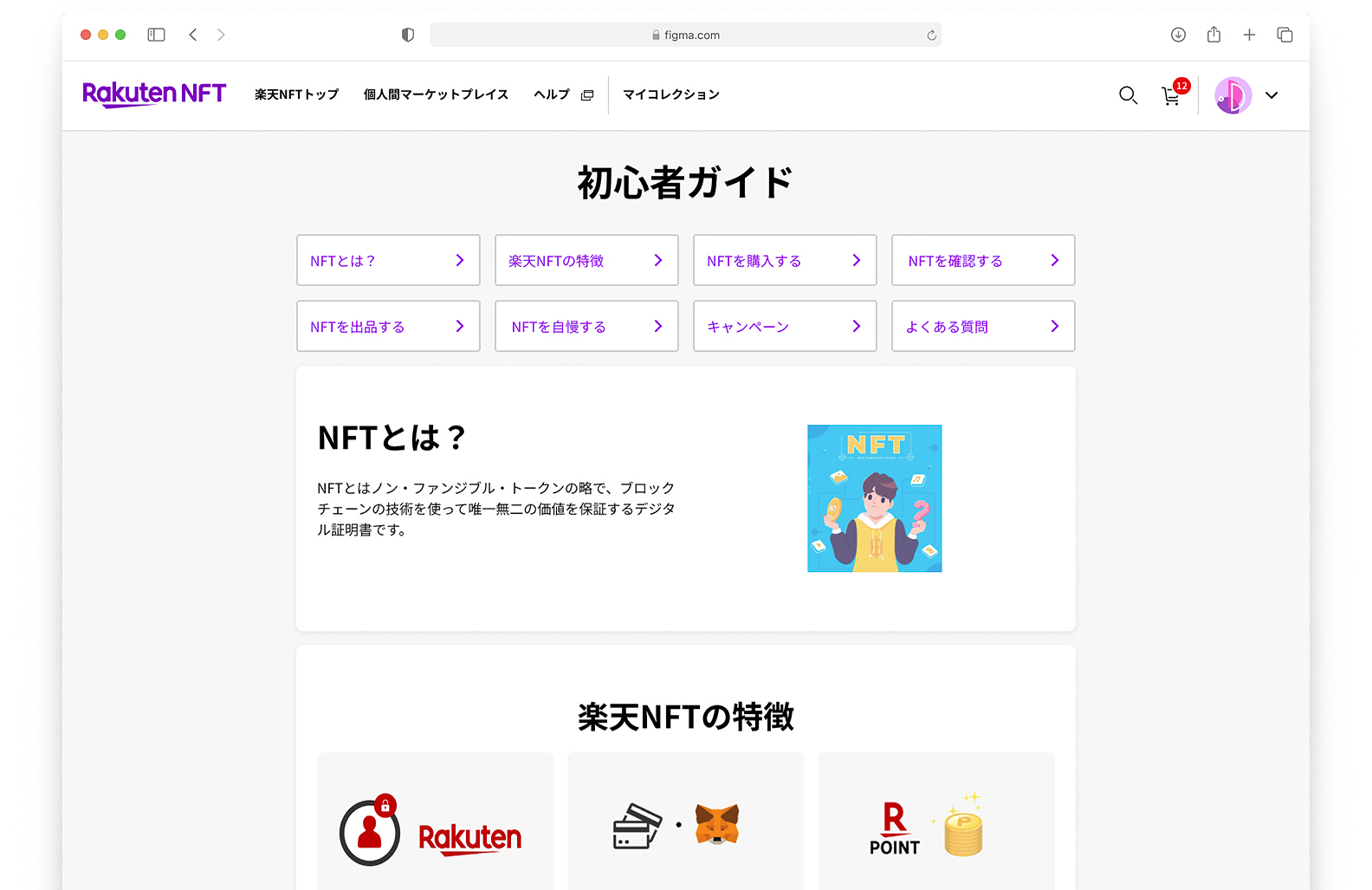
Guided by user feedback, I redesigned the beginner's guide to be less wordy and to include anchor links to relevant sections. I added a back-to-top button to every page to improve navigation on long pages.
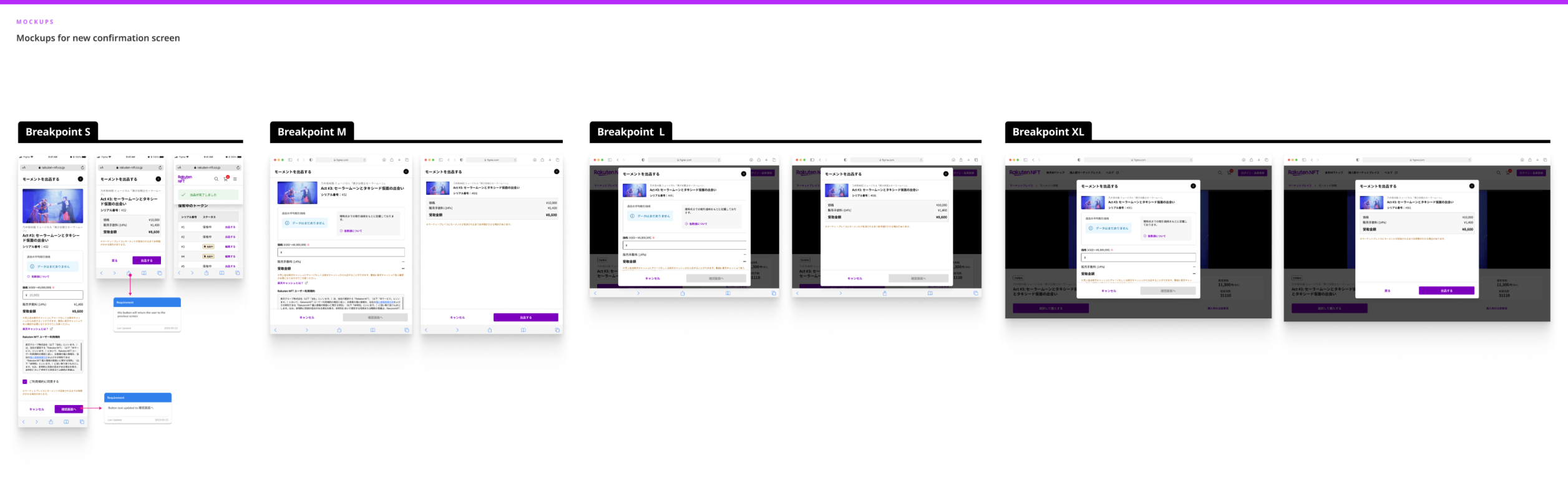
New confirmation screen mockups at all breakpoints
Our user testing revealed another pain point for users. They wanted more assurance when listing NFTs on the C2C marketplace.
I proposed adding a new confirmation screen after talking with the business department to get the full scope of the problem.
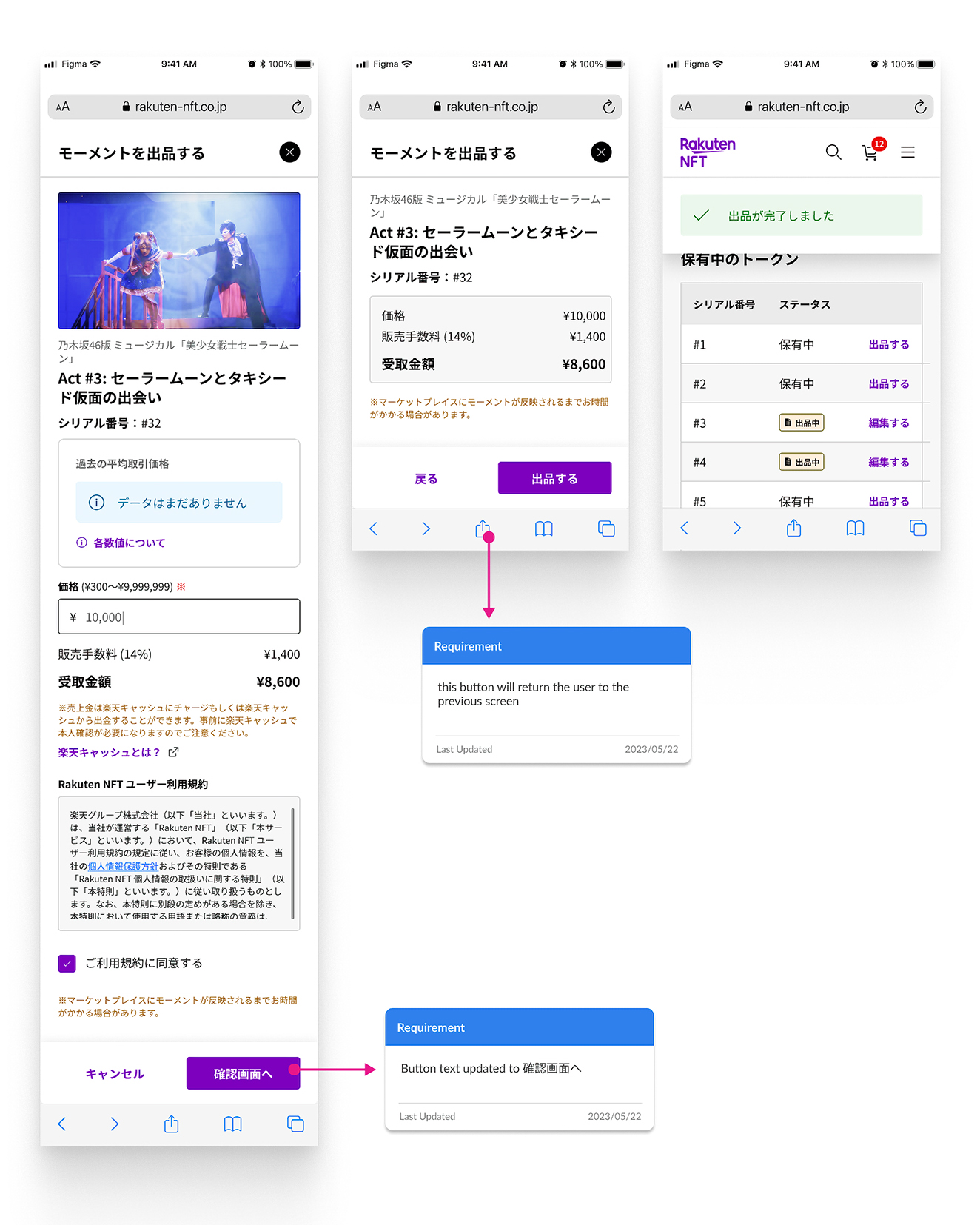
The new screen allowed users to confirm their listing and the profit they would receive before placing their NFT on the C2C market, which reduced the anxiety the previous flow caused.
The main constraint in working on these updates was time. I had to mock up each update, get approval, and hand it to development within a short time to stay on the project’s roadmap.
The designs also had to keep a consistent style. Rakuten NFT’s design system predated Figma’s auto layout and had no dark mode. As I designed, I rebuilt its components with auto layout and added dark mode, so the rest of the team worked faster with the latest versions.
Say hello!